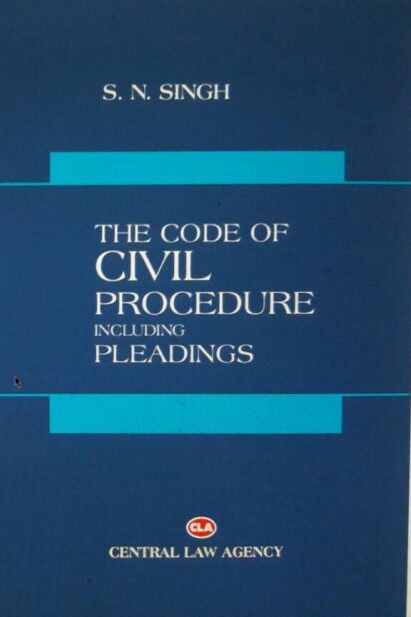

Description
The Code of Civil Procedure by Dr. S.N. Singh presents a comprehensive commentary on one of the most fundamental procedural laws in India.
Written for students, judicial aspirants, and practitioners, the book provides clarity on the framework, principles, and functioning of civil courts while systematically addressing both substantive provisions and procedural mechanisms.
The book begins with the preliminary aspects of the Code, including its historical background, objectives, scope, and interpretation. It explains essential definitions such as decree, order, judgment, and legal representation, while also addressing the role of the judiciary and the principles of natural justice.
A major portion of the work is devoted to the jurisdiction of civil courts, elaborating on subject-matter, territorial, and pecuniary jurisdiction, as well as doctrines like res sub judice and res judicata. The discussion includes suits of a civil nature, exclusion of jurisdiction, foreign judgments, and the place of suing, supported by practical illustrations and case law.
The book further covers the institution and conduct of suits, including parties to suits, representative actions, joinder and misjoinder, pleadings, plaints, written statements, set-off, counterclaims, discovery, interrogatories, and production of evidence. Important procedural rules governing examination of witnesses, adjournments, judgments, decrees, interest, and costs are also thoroughly explained.
Special attention is given to the execution of decrees and orders, detailing who may apply for execution, the powers of executing courts, transfer of decrees, arrest and detention, attachment of property, sale procedures, and resistance to execution. This section highlights the practical significance of execution proceedings in ensuring enforcement of rights.
Further, the book addresses incidental and supplemental proceedings, including commissions, death or insolvency of parties, withdrawal and compromise of suits, temporary injunctions, appointment of receivers, and interpleader suits. It also deals with suits involving special parties such as the Government, public officers, minors, corporations, and firms.
The later sections focus on appeals, reference, review, and revision, providing detailed guidance on first appeals, second appeals, appeals to the Supreme Court, and the revisional jurisdiction of High Courts. Additional chapters examine restitution, caveats, enlargement of time, and inherent powers of the courts.
Written in a simple yet comprehensive language, the book not only explains statutory provisions but also integrates judicial interpretation and practical perspectives. By combining doctrinal depth with accessibility, The Code of Civil Procedure serves as an indispensable resource for academic study, competitive examinations, and professional practice in civil law.
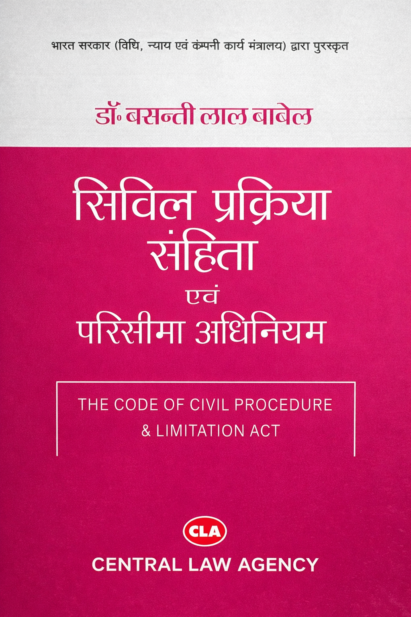
डॉ. एस.एन. सिंह द्वारा रचित \\\'द कोड ऑफ सिविल प्रोसीजर \\\' (The Code of Civil Procedure) भारत के सबसे मौलिक प्रक्रियात्मक कानूनों में से एक पर एक व्यापक टीका प्रस्तुत करती है।
छात्रों, न्यायिक अभ्यर्थियों और अधिवक्ताओं के लिए लिखी गई यह पुस्तक, मूल प्रावधानों और प्रक्रियात्मक तंत्रों को व्यवस्थित रूप से संबोधित करते हुए सिविल न्यायालयों के ढांचे, सिद्धांतों और कार्यप्रणाली पर स्पष्टता प्रदान करती है।
पुस्तक संहिता के प्रारंभिक पहलुओं से शुरू होती है, जिसमें इसकी ऐतिहासिक पृष्ठभूमि, उद्देश्य, कार्यक्षेत्र और व्याख्या शामिल है। यह डिक्री (आज्ञप्ति), आदेश, निर्णय और कानूनी प्रतिनिधित्व जैसी आवश्यक परिभाषाओं की व्याख्या करती है, साथ ही न्यायपालिका की भूमिका और नैसर्गिक न्याय के सिद्धांतों को भी संबोधित करती है।
कार्य का एक बड़ा हिस्सा सिविल न्यायालयों के क्षेत्राधिकार के लिए समर्पित है, जिसमें विषय-वस्तु, क्षेत्रीय और धन संबंधी क्षेत्राधिकार के साथ-साथ \\\\\\\'रे सब जूडिस\\\\\\\' (Res Judicata) जैसे सिद्धांतों का विस्तार से वर्णन किया गया है। चर्चा में दीवानी प्रकृति के वाद, क्षेत्राधिकार का अपवर्जन, विदेशी निर्णय और वाद दायर करने के स्थान शामिल हैं, जिन्हें व्यावहारिक उदाहरणों और निर्णयज विधि (केस लॉ) द्वारा समर्थित किया गया है।
पुस्तक आगे वादों की संस्थित और संचालन को कवर करती है, जिसमें वादों के पक्षकार, प्रतिनिधि वाद, पक्षकारों का संयोजन और कुसंयोजन, अभिवचन (Pleadings), वाद-पत्र, लिखित कथन, मुजरा (Set-off), प्रतिदावा (Counterclaim), प्रकटीकरण, परिप्रश्न और साक्ष्य प्रस्तुत करना शामिल है। गवाहों की परीक्षा, स्थगन, निर्णय, डिक्री, ब्याज और खर्चों को नियंत्रित करने वाले महत्वपूर्ण प्रक्रियात्मक नियमों को भी पूरी तरह से समझाया गया है।
डिक्री और आदेशों के निष्पादन (Execution) पर विशेष ध्यान दिया गया है, जिसमें निष्पादन के लिए कौन आवेदन कर सकता है, निष्पादन न्यायालयों की शक्तियां, डिक्री का स्थानांतरण, गिरफ्तारी और निरोध, संपत्ति की कुर्की, बिक्री प्रक्रियाएं और निष्पादन के प्रतिरोध का विवरण दिया गया है। यह खंड अधिकारों के प्रवर्तन को सुनिश्चित करने में निष्पादन कार्यवाही के व्यावहारिक महत्व पर प्रकाश डालता है।
इसके अलावा, पुस्तक आनुषंगिक और अनुपूरक कार्यवाहियों को संबोधित करती है, जिसमें कमीशन, पक्षकारों की मृत्यु या दिवाला, वादों की वापसी और समझौता, अस्थायी व्यादेश (Injunction), रिसीवर की नियुक्ति और अंतराभिवाची वाद (Interpleader suits) शामिल हैं। यह सरकार, सार्वजनिक अधिकारियों, अवयस्कों, निगमों और फर्मों जैसे विशेष पक्षकारों से जुड़े वादों पर भी विचार करती है।
बाद के खंड अपील, निर्देश (Reference), पुनर्विलोकन (Review) और पुनरीक्षण (Revision) पर ध्यान केंद्रित करते हैं, जो प्रथम अपील, द्वितीय अपील, सर्वोच्च न्यायालय में अपील और उच्च न्यायालयों के पुनरीक्षण क्षेत्राधिकार पर विस्तृत मार्गदर्शन प्रदान करते हैं। अतिरिक्त अध्याय प्रत्यास्थापन (Restitution), कैविएट (Caveat), समय का विस्तार और न्यायालयों की अंतर्निहित शक्तियों का परीक्षण करते हैं।
सरल लेकिन व्यापक भाषा में लिखी गई यह पुस्तक न केवल वैधानिक प्रावधानों की व्याख्या करती है बल्कि न्यायिक व्याख्या और व्यावहारिक दृष्टिकोणों को भी एकीकृत करती है। सैद्धांतिक गहराई और सुलभता के मेल से, \\\\\\\'द कोड ऑफ सिविल प्रोसीजर शैक्षणिक अध्ययन, प्रतियोगी परीक्षाओं और सिविल कानून में व्यावसायिक अभ्यास के लिए एक अनिवार्य संसाधन के रूप में कार्य करती है।
Reviews
There are no reviews yet.